GET TO KNOW
THE WORKSHOP
LEADERS
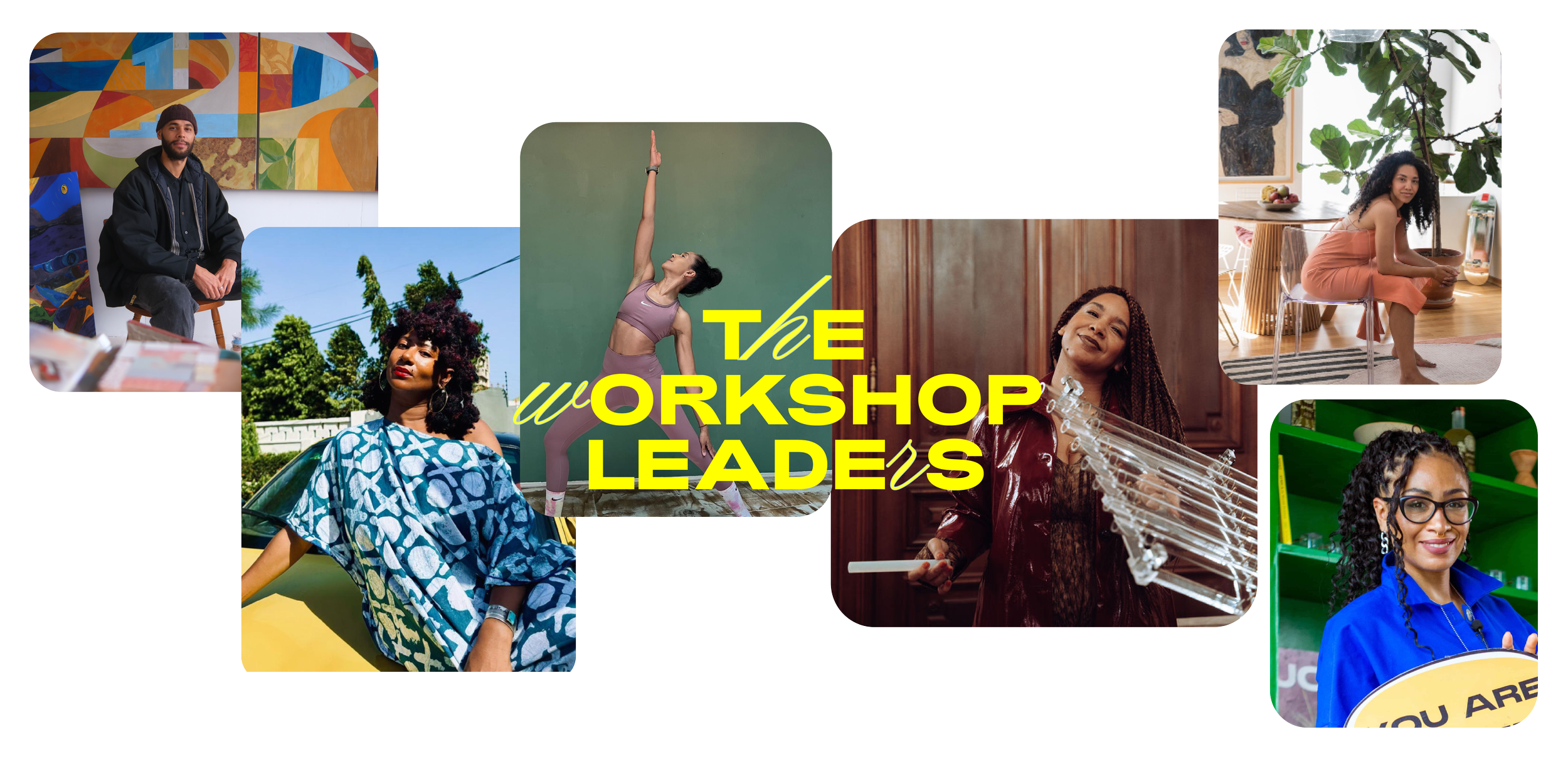
OUR PRACTITIONERS WROTE YOU A LETTER.
CHERRELLE
OLUKEMI
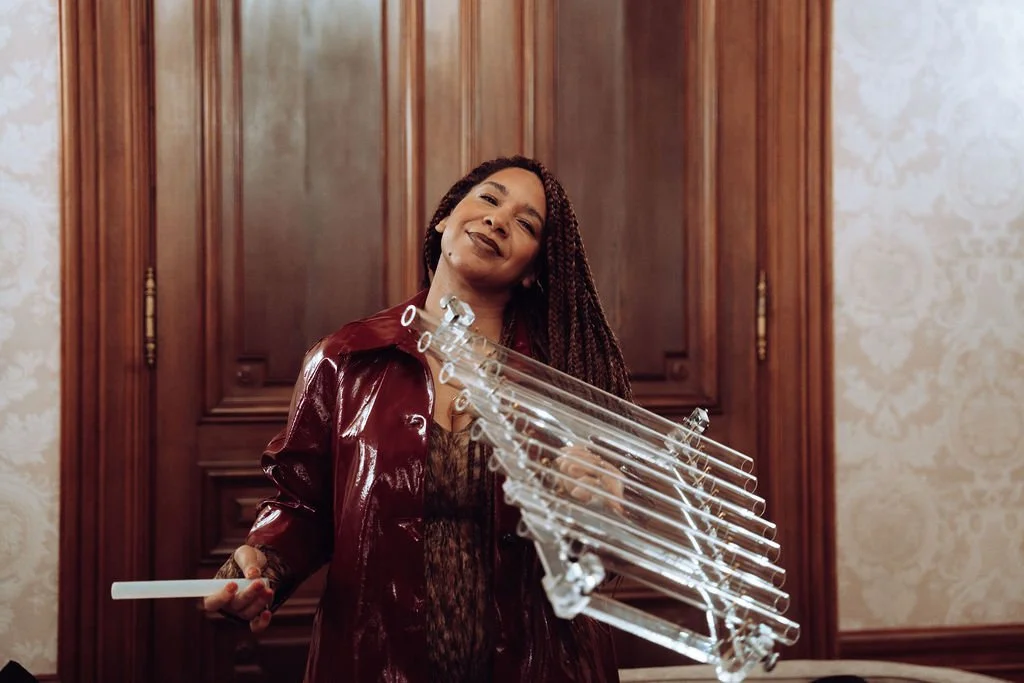
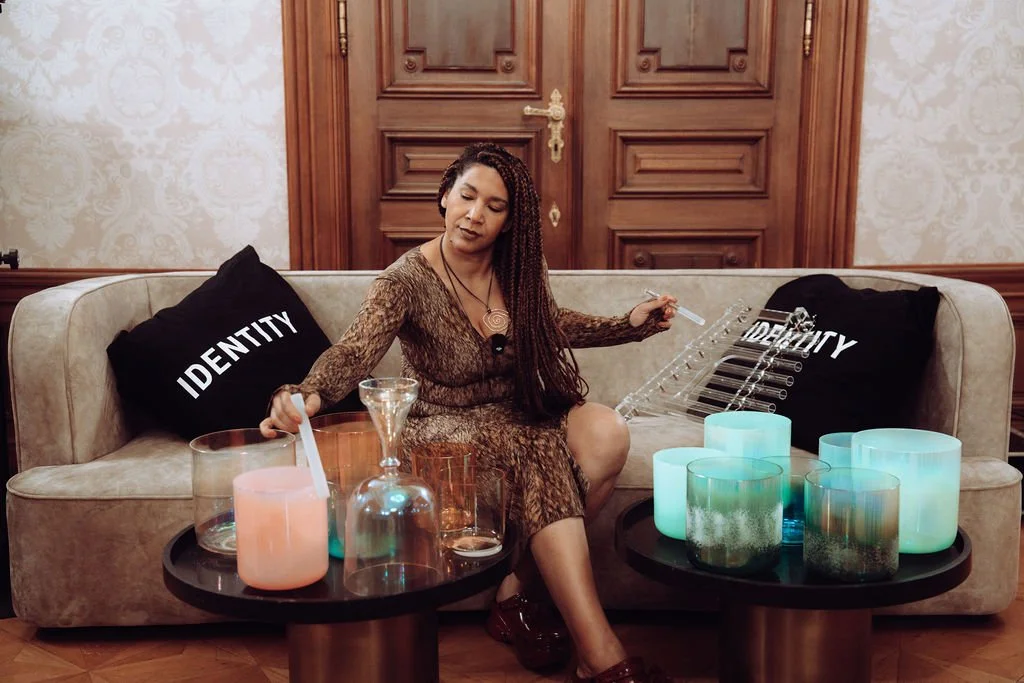
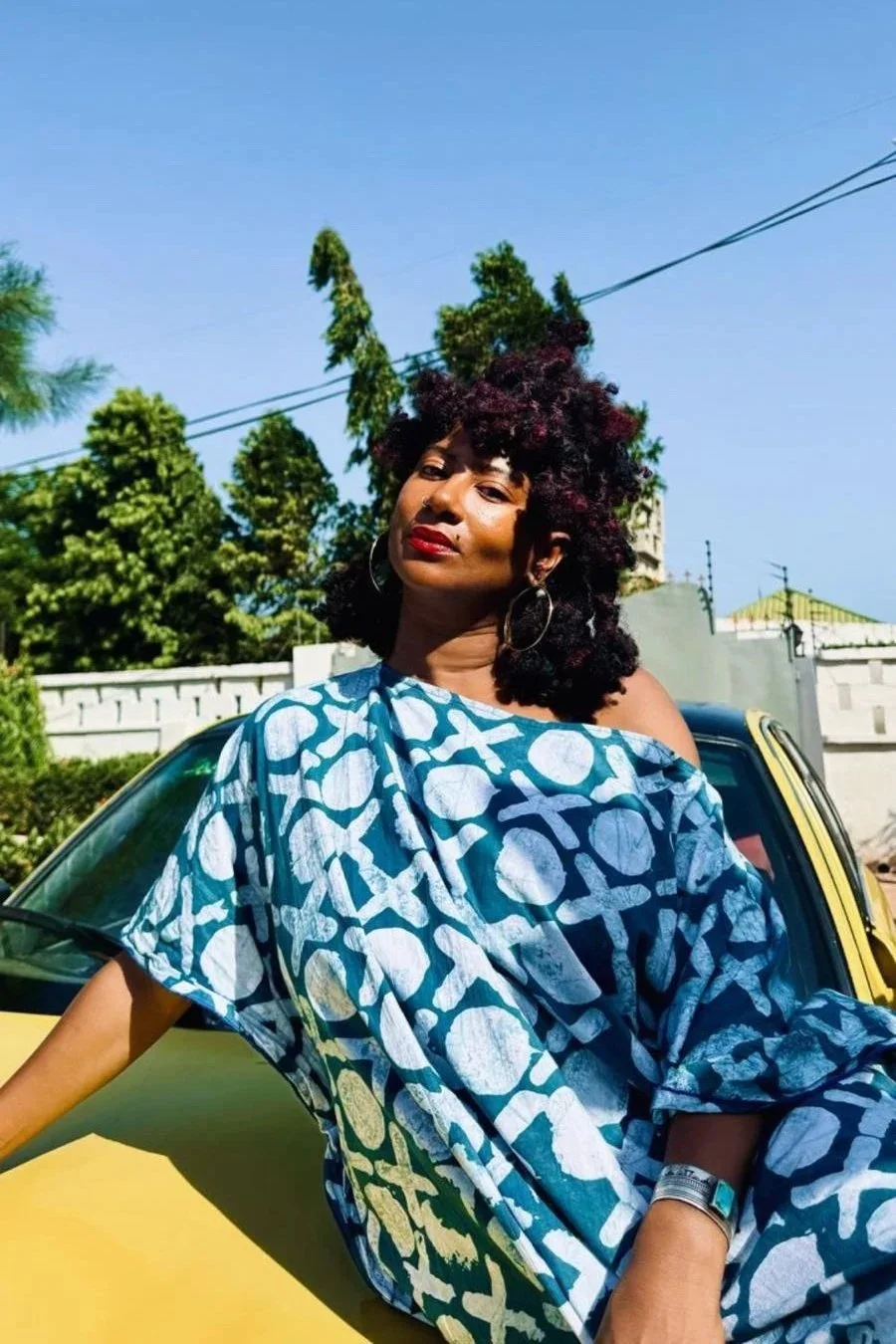
Cherrelle Olukemi is a certified sound healer, singer, and founder of the sound journey format The Inner Garden Party.

She completed her training at the Sound Medicine Institute Germany, as well as numerous further trainings in psychosocial counseling, spiritual healing through the laying on of hands, guided affective imagery (Katathymic Imagery), EDx™ Energy Diagnostics and Treatments, Advanced Energy Psychology, and Mari Mandala. Her work weaves sound together with elements of spirituality, psychosomatics, and ritual art.
Her empowerment poetry for Kids of the Diaspora has been exhibited internationally and widely received in the media. In her Heal House, inspired by her Afro diasporic roots and also home to the Akasha Bowls showroom in Vienna, she offers sound healings and a 20-hour course.

A LETTER FROM CHERRELLE TO YOU:
My personal
journey through
sound
I was born in Vienna in the late 1980s. My Nigerian father was a DJ, and my Austrian mother ran the shop “Soul Fashion” alongside her main profession. Records were everywhere in our multicultural household. When my father moved to the United States in 1993, my mother kept our connection to him and to our roots alive through her love of reggae music.
At my grandmother’s house, folk music played all day long. As a teenager, my cousin took me to techno festivals. Today I attend rock concerts with my stepfather. He was the one who brought classical music into our home. During my years at the business academy, I found true soulmates through R&B and hip hop. In this way, music became a kind of home for me, a tool for belonging.
After finishing school, I studied acting and, alongside that, linguistics, specializing in Afro Cuban rituals and drumming rhythms as a form of communication, probably as a way of exploring my Yoruba roots.
In my twenties, I felt that the traditional theater songs and chansons in my acting studies were no longer enough. So I began studying jazz vocals at the conservatory. During that time, I was also active as a pop singer in a band and initially financed my education and first music productions by working as a street caster. In total, I spent 13 years in the industry and eventually worked as a casting director for cinema, film, and television.
However, in this stressful job, my passion for music often fell by the wayside. At some point, I felt that I was no longer fully myself. Leaving seemed impossible, not least because professional success was there.
At the same time, I took private lessons with African and Native American opera singer and spiritual vocal teacher Hannibal Means, a protégé of the legendary Nina Simone. He introduced me to spirituals and gospel music and explained the true meaning behind the lyrics. He regularly had me paint images of my voice to show me the connection between sound, color, and form. Through him, I understood for the first time how much power lies within the voice and what true empowerment really means.
During this period, my sister founded the awareness and lifestyle brand Kids of the Diaspora. For her, I wrote poetry to empower marginalized communities, which was printed on T shirts and products. This brought us international attention in media, museums, and shops, as well as support from well known artists.
In my seventh month of pregnancy, I suddenly became a single mother and, due to the risk of premature birth, spent a great deal of time hospitalized. On the very evening when the doctors declared a red alert, a summer concert took place in the hospital, where physicians played jazz pieces. What happened next was unbelievable. After the concert, my medical values normalized as if by a miracle, and I was allowed to go home the next morning. The doctors called it “the miracle of healing.”
I was not surprised, but deeply moved, because I was certain it was due to the music, and I had already sensed the immense healing power of sound. In the end, my son was born right on time in the 40th week.
The early period of single motherhood was challenging. The successes I was still able to celebrate as a casting director after my maternity leave suddenly meant very little to me. My son suffered from the constant rush, so I let go of this profession for good.
At the same time, my interest in psychosomatics and generational themes grew, especially because my son does not develop neurotypically, which drastically changed my living conditions. I completed trainings in psychosocial counseling, spiritual healing, guided affective imagery, Advanced Energy Psychology with a focus on resolving generational issues, Energy Diagnostics and Treatments, and Mari Mandala. I wanted to understand how emotional blockages manifest in the body or in the external world and, above all, to find ways to communicate with my son and better understand his symptoms.
Yet despite all these insights, the shift still did not happen.
In search of answers, I traveled to Jamaica, where I experienced my first sound bath with an Indigenous spiritual healer. This experience was so profound, intense, and healing that I knew this was it.
I felt as though sound took me to the place of all answers, beyond the mystery of quarks and quantum physics, without fully understanding why this sound bath was so powerful.
The healer advised me to purchase crystal singing bowls to soothe my son. That was the turning point. I decided to pursue a solid professional education at the Sound Medicine Institute Germany.
Finally, everything made sense. Songs would constantly come to mind when people told me about their lives. I perceived music as a kind of invisible magnetism. Today I know why music has such a powerful connective force, and I bring all of these experiences together in my work as a sound healer. I now even teach at the Sound Medicine Institute.
As a retreat leader, I guide you on journeys through your generational themes, through any form of grief, or during phases of reorientation and talent discovery.
I look forward to meeting you. With love,
Cherrie
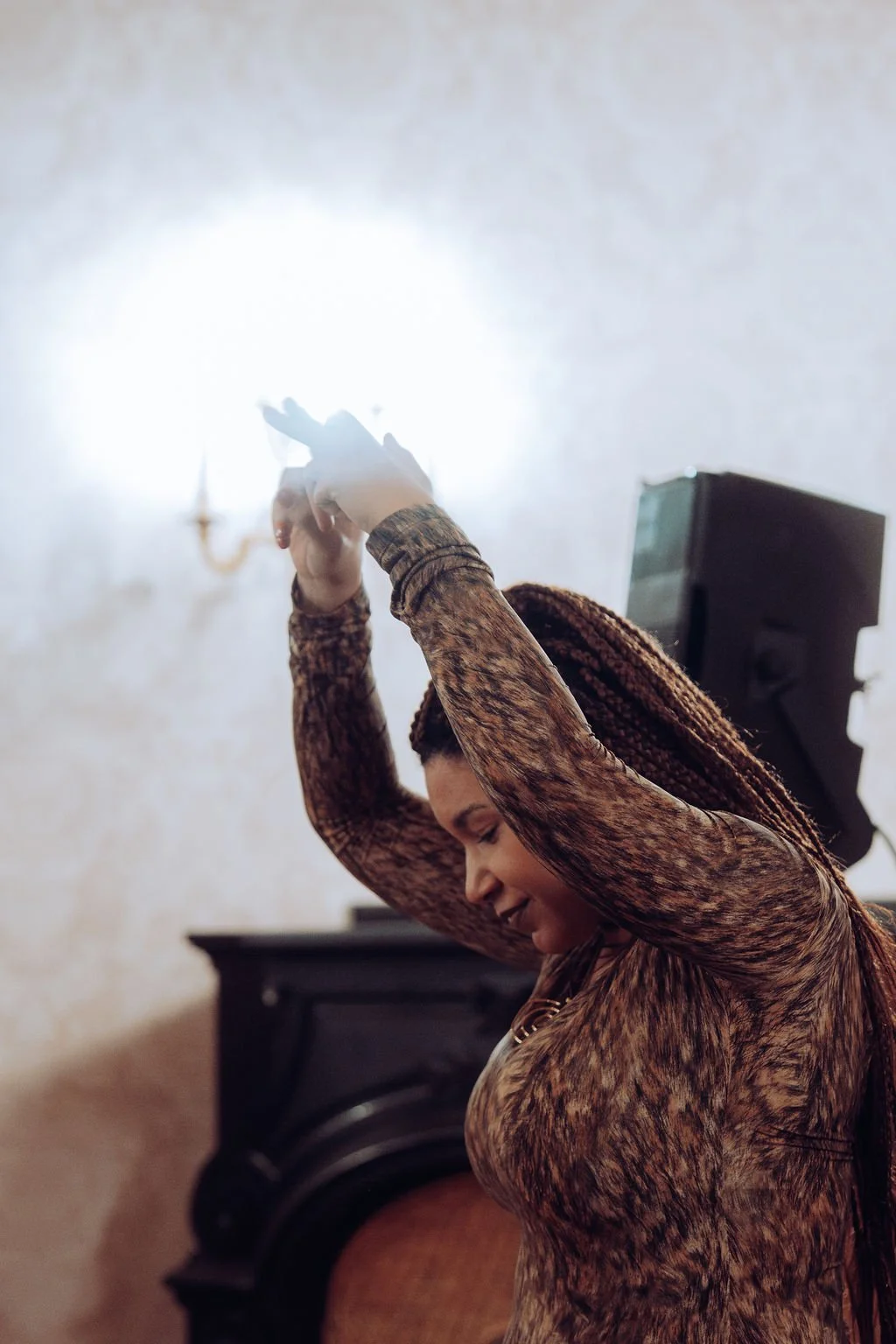
Q&A with CHERRIE ABOUT HER
WORK.
-
Katathymic Imagination, also known as guided affective imagery, is a therapeutic technique that uses guided visualizations to explore the unconscious mind. Developed by German psychiatrist Hanscarl Leuner in the mid-20th century, it involves leading a person through a series of symbolic images and scenes while in a relaxed state. These images often reflect deep emotional conflicts, desires, or unresolved issues. By engaging with these symbols, individuals can gain insights into their inner world, facilitating emotional healing and personal growth. It is widely used in psychotherapy to access and resolve underlying psychological issues through the power of imagery.
-
Dreamwork is a therapeutic and spiritual practice that involves exploring and interpreting dreams to gain insights into the unconscious mind. It is based on the idea that dreams are a window into our deepest thoughts, emotions, and unresolved conflicts. In dreamwork, individuals or therapists analyze dream symbols, patterns, and narratives to uncover hidden meanings and messages. This process can lead to personal growth, emotional healing, and a deeper understanding of oneself. Dreamwork is used in various psychological and spiritual traditions, including Jungian psychology, to help people connect with their inner wisdom and navigate life's challenges.
-
MARI® (Mandala Assessment Research Instrument) is a therapeutic tool that uses mandalas (circular designs) to access and assess a person's unconscious thoughts, emotions, and psychological state. Developed by American psychologist Joan Kellogg, MARI® combines the creation of mandalas with the interpretation of symbols and colors chosen by the individual. The process involves selecting or creating a mandala and then using a structured system to interpret the symbolic meanings of the colors, shapes, and images within the mandala.
MARI® is used by therapists to help individuals gain insights into their inner world, identify emotional issues, and facilitate personal growth. The technique is grounded in Jungian psychology, where mandalas are seen as representations of the self and the psyche's attempt to achieve balance and wholeness.
-
Energy diagnostics is a method used in holistic and alternative healing practices to assess and analyze the flow and balance of energy within a person's body. This approach is based on the belief that physical, emotional, and spiritual well-being are closely linked to the body's energy systems, such as the chakras, meridians, and aura.
Practitioners of energy diagnostics use various techniques, such as muscle testing (kinesiology), dowsing, or intuitive scanning, to detect energy blockages, imbalances, or disruptions. The goal is to identify underlying issues that may be contributing to physical or emotional symptoms. Once these imbalances are identified, appropriate healing modalities, like energy healing, acupuncture, or Reiki, can be applied to restore harmony and promote overall well-being.

PHOTO: SUNAFILMS
AMONA V.
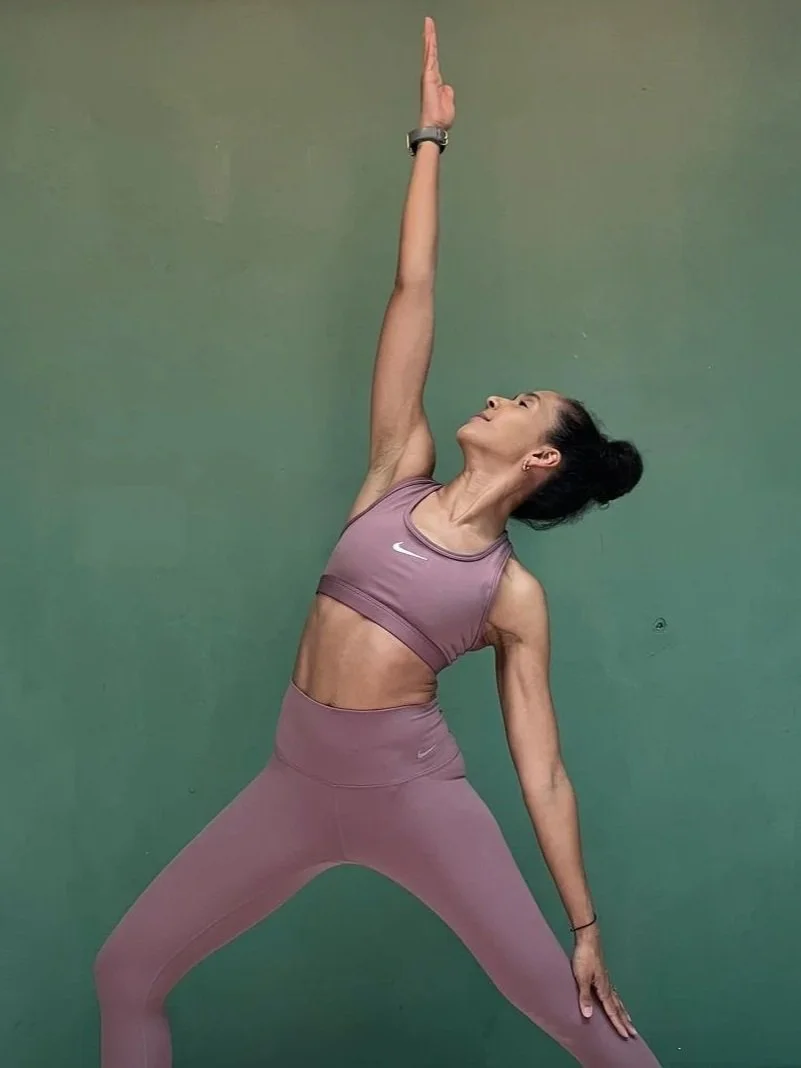
Through movement, breath and rhythm, she invites people of all ages and backgrounds to reconnect with themselves, their stories and each other.
Her work is rooted in the belief that the body holds wisdom — and that through dance and yoga we can open new inner and outer pathways, gently reinvent ourselves and discover new ways of being in the world. As a mother of two, Amona also brings a grounded awareness of balance, care and sustainability into her practice, advocating for “giving body and mind what they need to stay sane, alive and inspired.”
Amona's classes become spaces of meeting, listening and shared humanity, where movement becomes a language beyond words.
AMONA is a yoga and dance teacher, performer, choreographer and Nike Trainer who is deeply passionate about using the body as a gateway to explore creativity, connection and transformation.

Hi everyone, I'm Amona!
I'm Austrian Nigerian, was born and raised in Vienna, and have been living in London since 2012.
I started dancing and singing as a child, and began teaching from around 20 years old. I've performed and competed for many years. Growing up, I never felt truly connected to my African roots, as often the only black child in the room, I was focused on "trying to fit in", rather than stand out. Even though I recognised early that I had creative talent, I also believed there were limits for what I could do and to the opportunities out there for me.
University wasn't for me, and I started working as soon as I could after my A-Levels. The aim was to always have a stable, corporate job, as I taught by my parents was important, so I wouldn't have to worry about money. While I was working in an office, I always had side hustles. I wore many hats, and my friends always wondered how I could fit it all in.
After a life-changing 2 months stay in Istanbul (still one of my favourite cities), I realised it was time for me to leave Vienna and move somewhere else. At 25 I was ready for a new phase in my life.
As I’ve grown older, and after my move to London, I’ve felt more and more free to celebrate my African roots, Being surrounded by so many different cultures and stories, has helped me feel more confident in myself, and to be geniunely proud of my heritage.
A LETTER FROM AMONA TO YOU
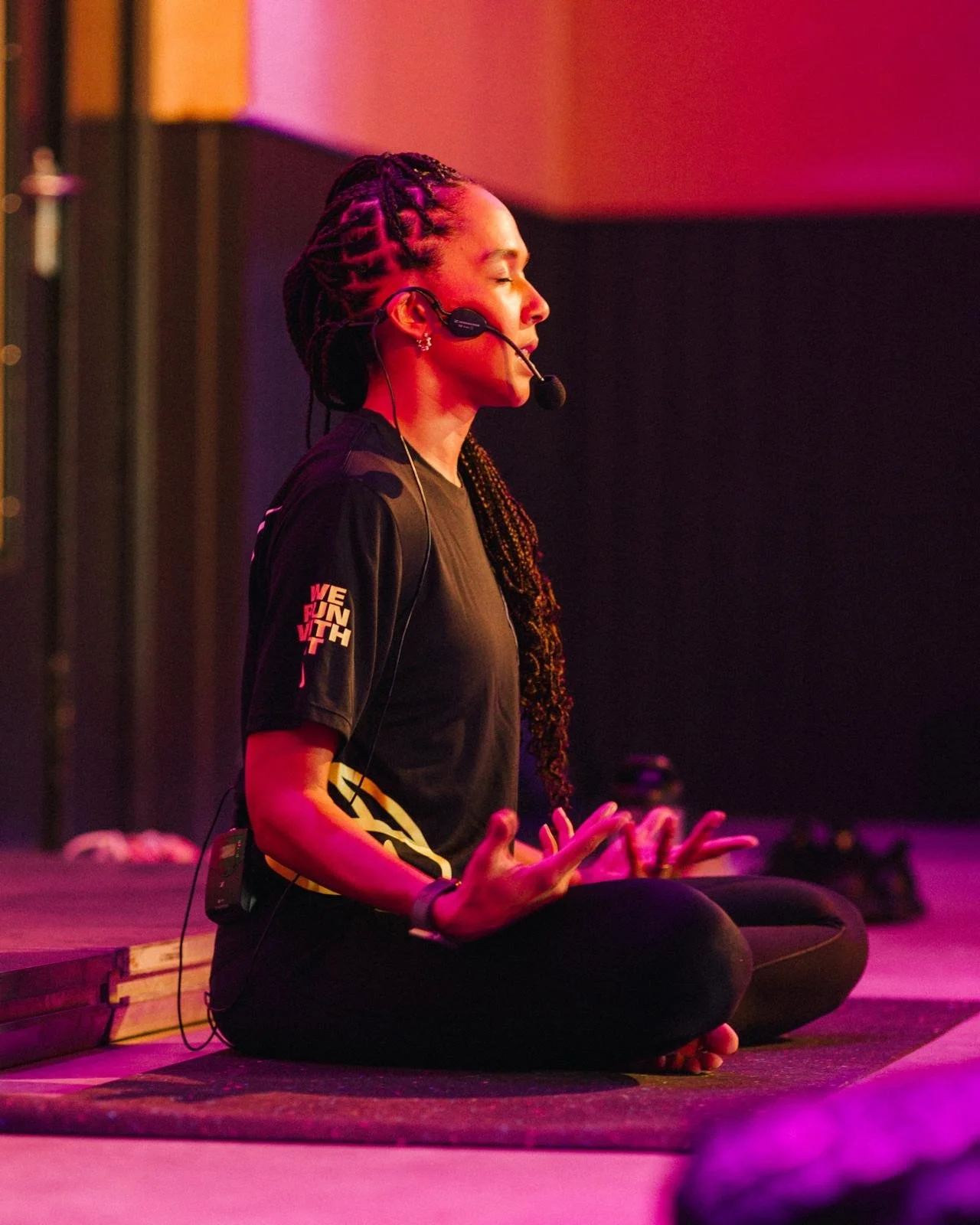
I’m a yoga and dance teacher, performer, choreographer and Nike Trainer, and I’ve worked in entertainment and fitness for over 20 years, while working a full-time marketing job. Austrian Nigerian Powerhouse Chameleon. To this day my friends wonder how I do it all. But for me, it's become my norm. I wouldn't want it any other way.
My classes are spaces of meeting and listening — places where we stretch and strengthen, lengthen and liberate, but also soften, feel, wobble and laugh. I often say in class: “Explore. It doesn’t have to look pretty. Have fun with it. Enjoy the wobble.”
I’m also a mother of two, and becoming a parent has deepened everything for me. It’s made me more aware of the importance of balance, care, and representation. I want my children to grow up proud of who they are, curious about where they come from, and kind towards others. With the books and toys I choose for them, I make sure they see characters that look like them — so they know from the very beginning that they belong. My children were a big inspiration for me to self-publish my own childrens' book "Feelings... and Us".
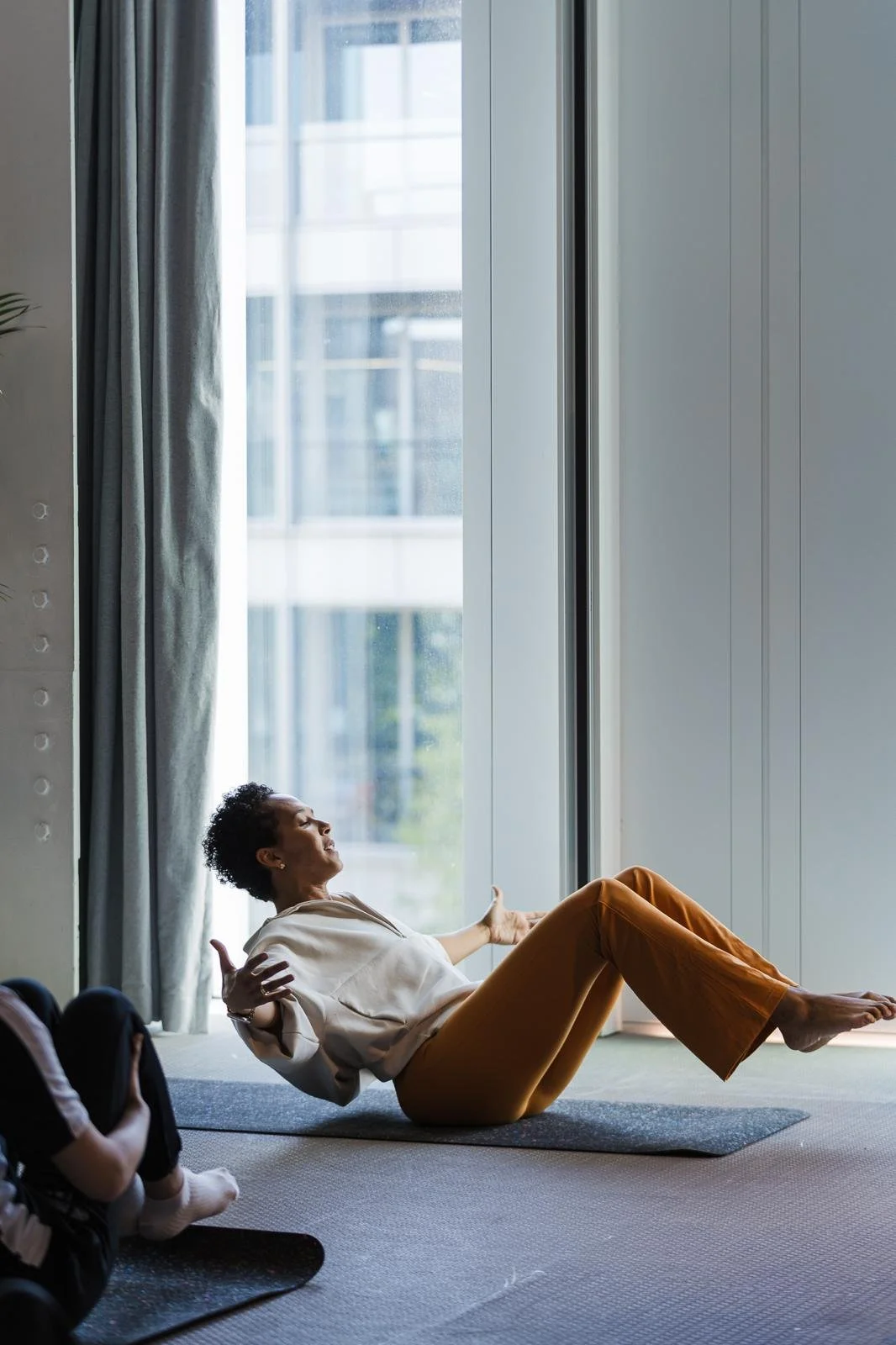
I’m especially excited to bring the ayOdo experience to the Kids of the Diaspora retreat, my own evolving experiences brand rooted in Joy and Love. ayOdo is about creating embodied journeys through movement and mindful connection, where we can open up, and truly meet ourselves and each other.
In our sessions together, you can expect spaces that are playful and deep, grounding and liberating. We’ll move, breathe, explore, reflect — and most of all, we’ll listen: to our bodies, to each other, and to what wants to emerge.
I get most excited when people dare to reinvent themselves and try new things, no matter their age or stage in life. I believe we can use movement to open a gate in our mind and body — allowing us to see new pathways for ourselves, and for how we relate to the world.
My husband is Ghanian, and since we had our children, we regularly visit Ghana with them. It's become my new home, so I'm extremely excited to meet you there, moving with you, and sharing this space together.
With joy and love,
Amona
SADE COKER
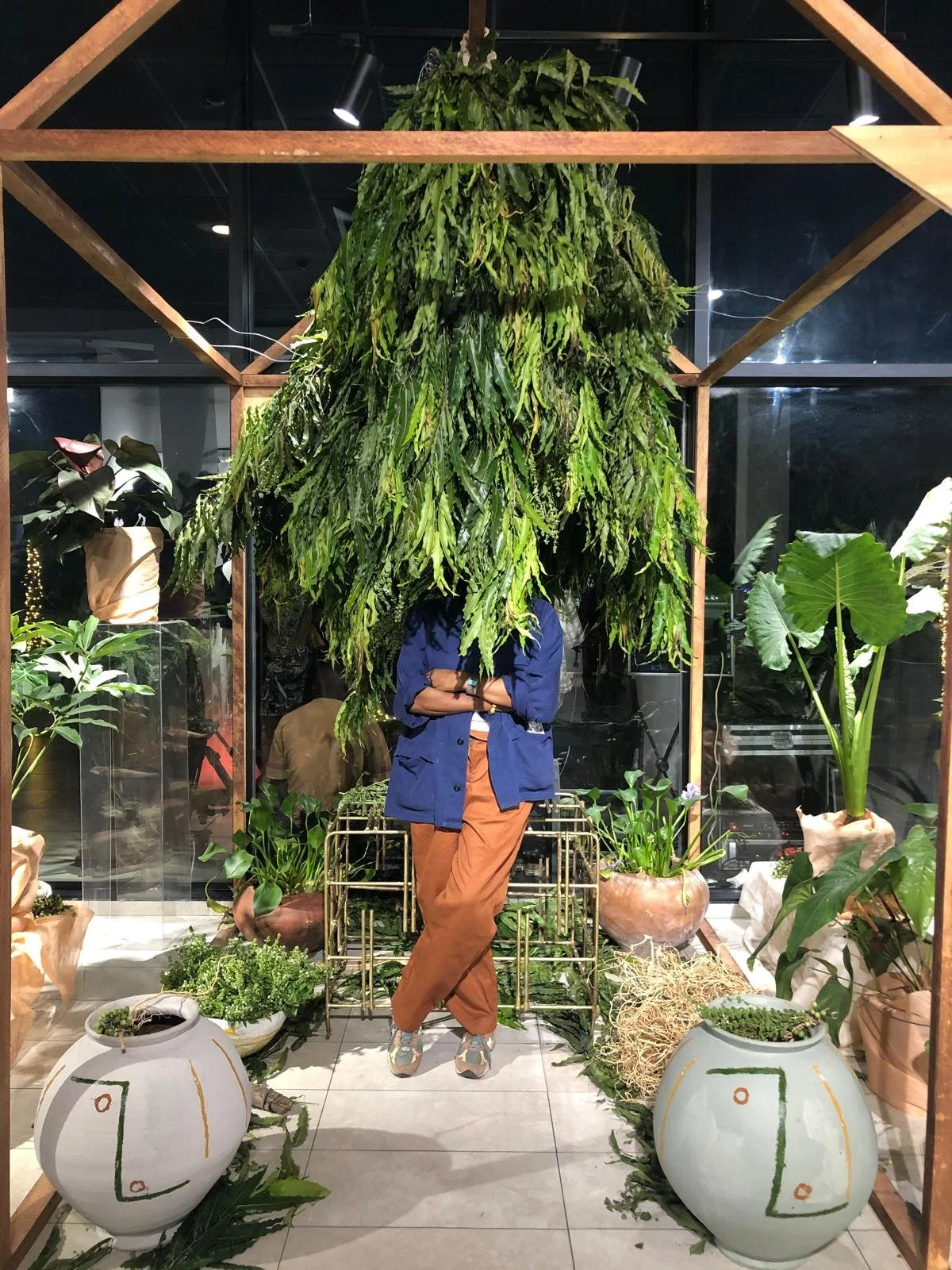
She uses Flower Therapy Workshops as a tool for stress relief, creative expression, reconnection to the inner child, and building meaningful community connection.
Sade is currently working on a documentary highlighting the lack of accessible resources for male mental health in Ghana, alongside establishing Making Space Foundation, Accra a registered nonprofit dedicated to providing affordable, creative, and naturopathic mental health solutions, education, and resources.(You can support the nonprofit foundation via gofundme.com)
Professional Training & Roles
• Cognitive Behavioral Therapy (CBT)
• Compassion-Focused Therapy
• Suicide Prevention Educator
• Life Coach
• Creativity Mentor
• Flower Therapy Workshop Facilitator
• Floral Artist
• Multi-functional Garden Wear Apparel Designer
Sade Coker is a holistic mental health practitioner and advocate for social inclusion, affordable mental health care, slow living, and the creation of nurturing environments that foster creativity, confidence, emotional safety, and vulnerability. With over a decade of community service, her work centres on accessible, nature-based, and creative approaches to wellbeing , where play, curiosity, and human connection are essential parts of healing.
I discovered the power of flower therapy…
…in a garden in London when I was seven years old. I remember being completely taken by the beauty and aroma of a rose. In that moment, it felt as though the rose spoke directly to my heart chakra, offering a small but meaningful healing. I didn’t have the language for it then, but I knew something shifted inside me.
Performance art and flowers became my way out of shyness and melancholy.
Through creativity and nature, I found permission to be seen. Since then, I have tried to keep my path aligned with nature, allowing it to guide how I live, create, and care.
Throughout my professional training in Cognitive Behavioural Therapy (CBT), Compassion-Focused Therapy (CFT), suicide prevention, and creativity mentoring, I have continually found my way back to my original understanding of flower therapy. These clinical frameworks gave me structure and language, but flowers gave me meaning. I learned how to integrate evidence-based practice with creativity, presence, and play bridging science and softness.
I believe creativity and play are essential to our health. The day I rediscovered play and chose to live unafraid of my shortcomings, my life changed forever. Flowers remind me of the beauty and necessity of play how it softens us, liberates us, and, in many cases, has the potential to save lives.
I believe deeply that we need softer spaces to care for our mental health. In searching for what I needed myself, I realized it did not yet exist in the way I longed for so I created it for others.
I spent over a decade in Germany, where I formed lifelong friendships and met extraordinary people. Berlin, in particular, held me. It was a place where my creativity was supported and nourished a village masquerading as a city. I am forever grateful for my time there. I know Berlin has changed since I left four years ago, just as the world has changed. Global politics feel increasingly frightening, and I hold hope that people are still finding spaces places, communities, and moments in nature where healing is possible.
I am now in Ghana, a place that feels like a calling. Here, I am committed to working with different African communities to strengthen mental health resources and expand conversations around emotional wellbeing. My floral art has been a bridge of connection. Since arriving, I have created two floral installations, facilitated many workshops, and taken part in panel discussions each experience deepening my relationship with the people and the land.
Advocating for men’s mental health is a particular passion of mine. I was raised by a single father who did an incredible job, and yet I often wonder what support if any he had. That question stays with me. It informs my work, my care, and my commitment to creating spaces where men feel safe enough to be vulnerable, supported enough to heal, and seen enough to stay.
Flowers remain my language a way to listen, to connect, and to create spaces of care. My work lives at the intersection of mental health, creativity, and community, rooted in nature, guided by softness, and grounded in the belief that healing is both personal and collective.
With love
Sade
LYDIA KEKELI
AMENYAGLO
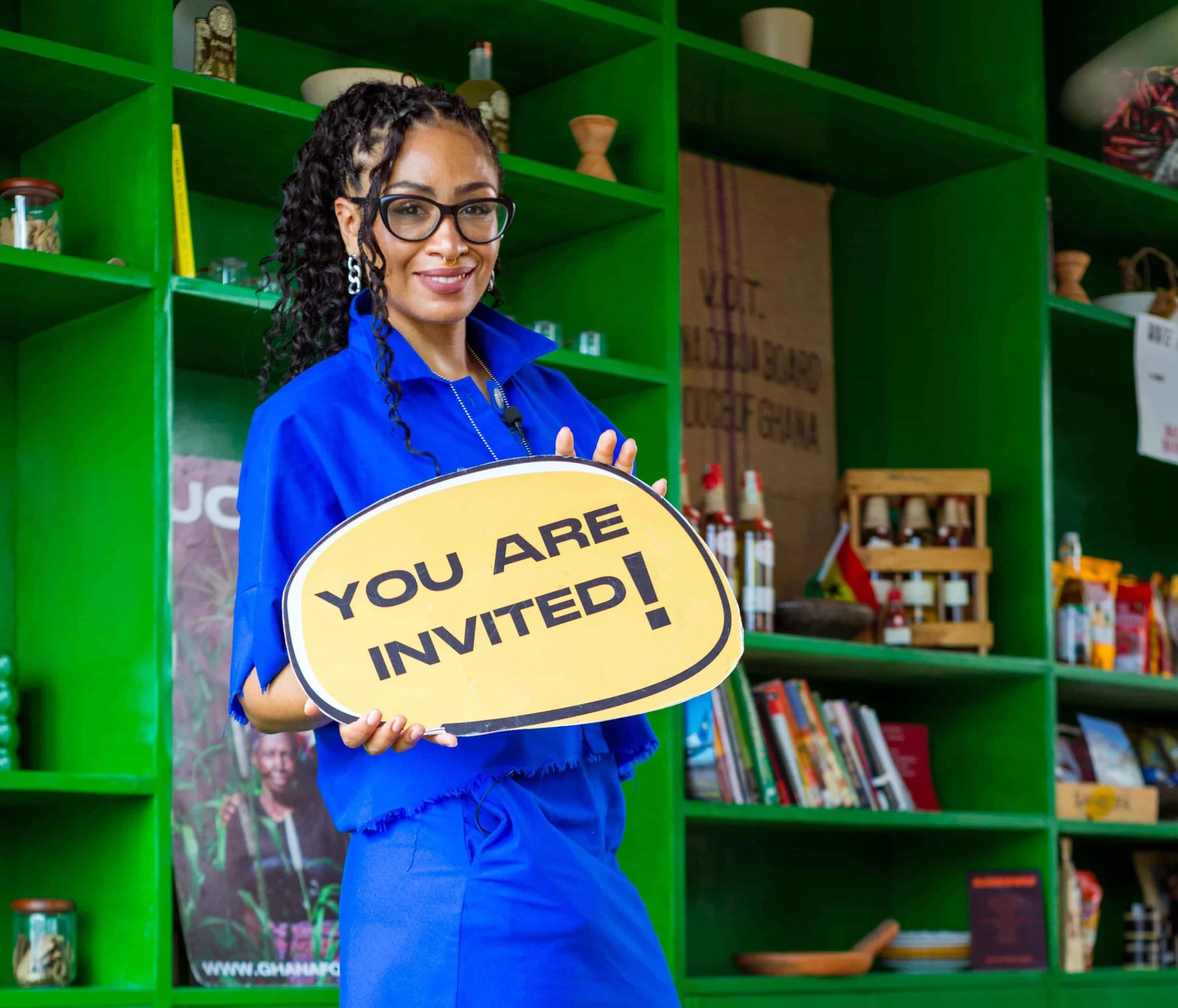
Lydia Kekeli Amenyaglo is a creative powerhouse at the intersection of food, culture, and design. As the Creative Director of Ghana Food Movement (GFM), she is shaping Ghana’s food future driving bold campaigns, organising impactful events, and community-driven projects. Through GFM’s food education hub, she builds bridges between chefs, farmers, and young entrepreneurs, redefining what it means to eat and create locally. Her latest initiative, Buy Ghana, Build Ghana, instills a sense of pride in Ghanaians toward what we have, fostering an abundance mindset and driving a shift toward indigenous ingredients—a belief she sees as key to building the African continent.
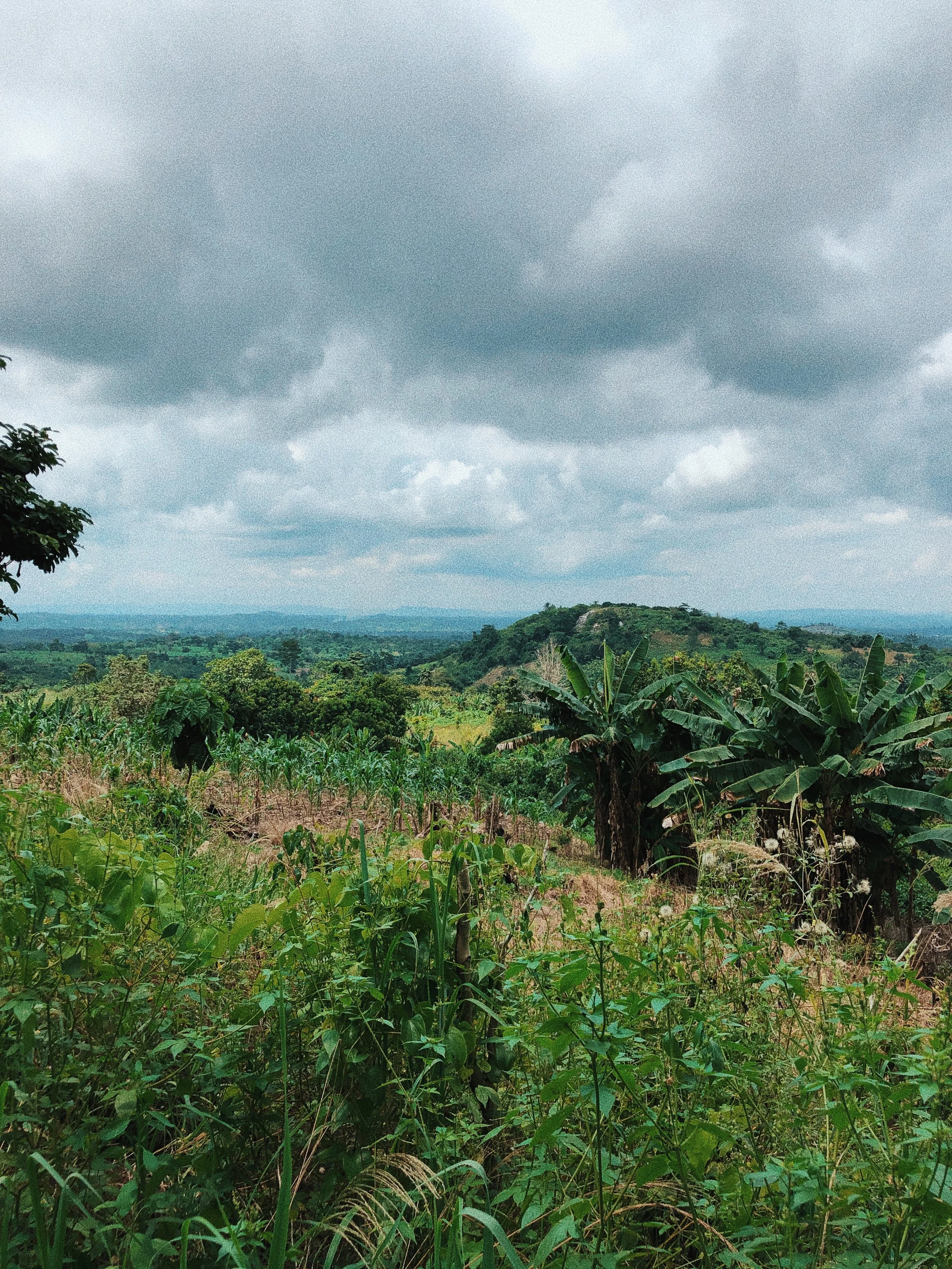
Beyond GFM, Lydia is the founder of plentyplenty.africa, a regenerative cocoa farm and creative studio that explores the rich possibilities of cocoa beyond chocolate—redefining its cultural and economic value for Ghanaians. By sparking new narratives around its use, it reclaims cocoa for Ghanaians.
Creativity isn’t just her profession—it’s her playground. Whether she’s house dancing, boxing, painting a wall in her house, taking her bike apart for a glow-up, or sketching her next big concept, she thrives on movement, transformation, and self-expression.
Lydia is committed to transforming African food narratives. Her work is about more than food—it’s about people, place, and possibility. She’s here to shake up the system, empower the next generation, and make Ghana’s food culture bold, beautiful, and globally celebrated.
Hi, I’m
Lydia Kekeli Aményaglo—
food enthusiast…
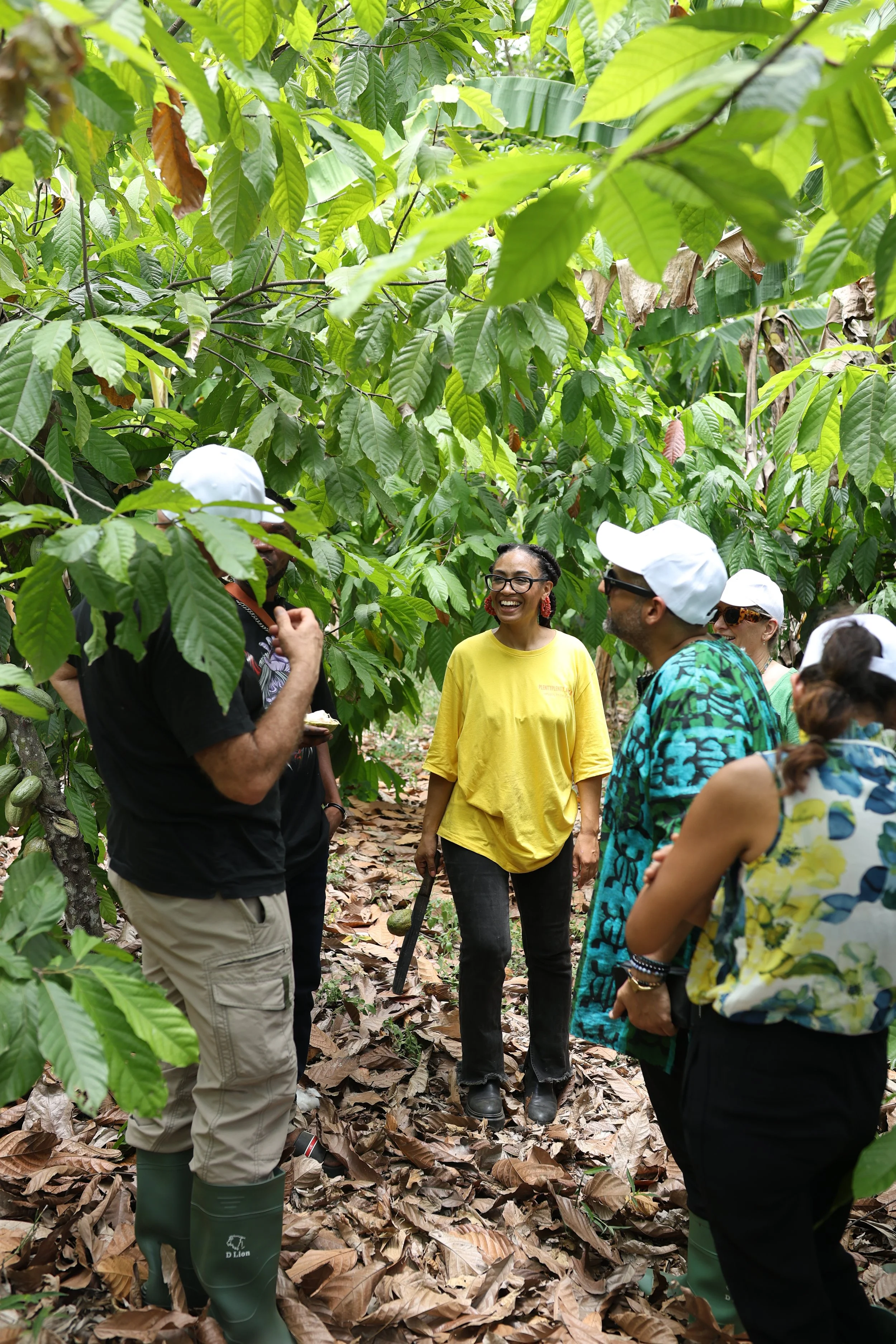
…Creative Director of the Ghana Food Movement, and founder of plentyplenty.africa. Born in ’88 and the oldest of three siblings, I grew up with a last name that translates to “there is a problem, we have to solve it.” Fitting, right? It’s a constant reminder to stay curious, dream big, and create solutions.
In early 2020, a journey through Africa changed everything. I found myself standing on my father’s cocoa farm in Krabokese, Ghana, seeing it with fresh eyes. It stirred something deep inside me—a desire to reconnect with my roots, build something meaningful, and contribute to a more just and sustainable future for cocoa. The beauty of the land, the untapped potential of the cocoa fruit, and my quest for identity led me to move to Ghana and leave Europe behind.
plentyplenty.africa was born from this personal transformation.
It’s a regenerative cocoa farm and creative studio, rooted in celebrating the full potential of cocoa while reclaiming its story for Ghanaians. Our mission is to challenge the status quo—rethinking how cocoa is used and how value can be created and kept in Ghana.
Cocoa is more than just chocolate. At plentyplenty.africa, we’re taking a 360-degree approach to the cocoa fruit, exploring every part of it. The pods, leaves, stems, and pulp can become building materials, soap, drinks, and so much more. The possibilities are endless, and with every product we create, we want to tell a story of innovation, sustainability, and pride in our local heritage.
This is just the beginning. plentyplenty.africa is a space for experimentation, collaboration, and new stories. A place where cocoa becomes a symbol of possibility, creativity, and a new narrative for Ghana.
GHANA FOOD
MOVEMENT

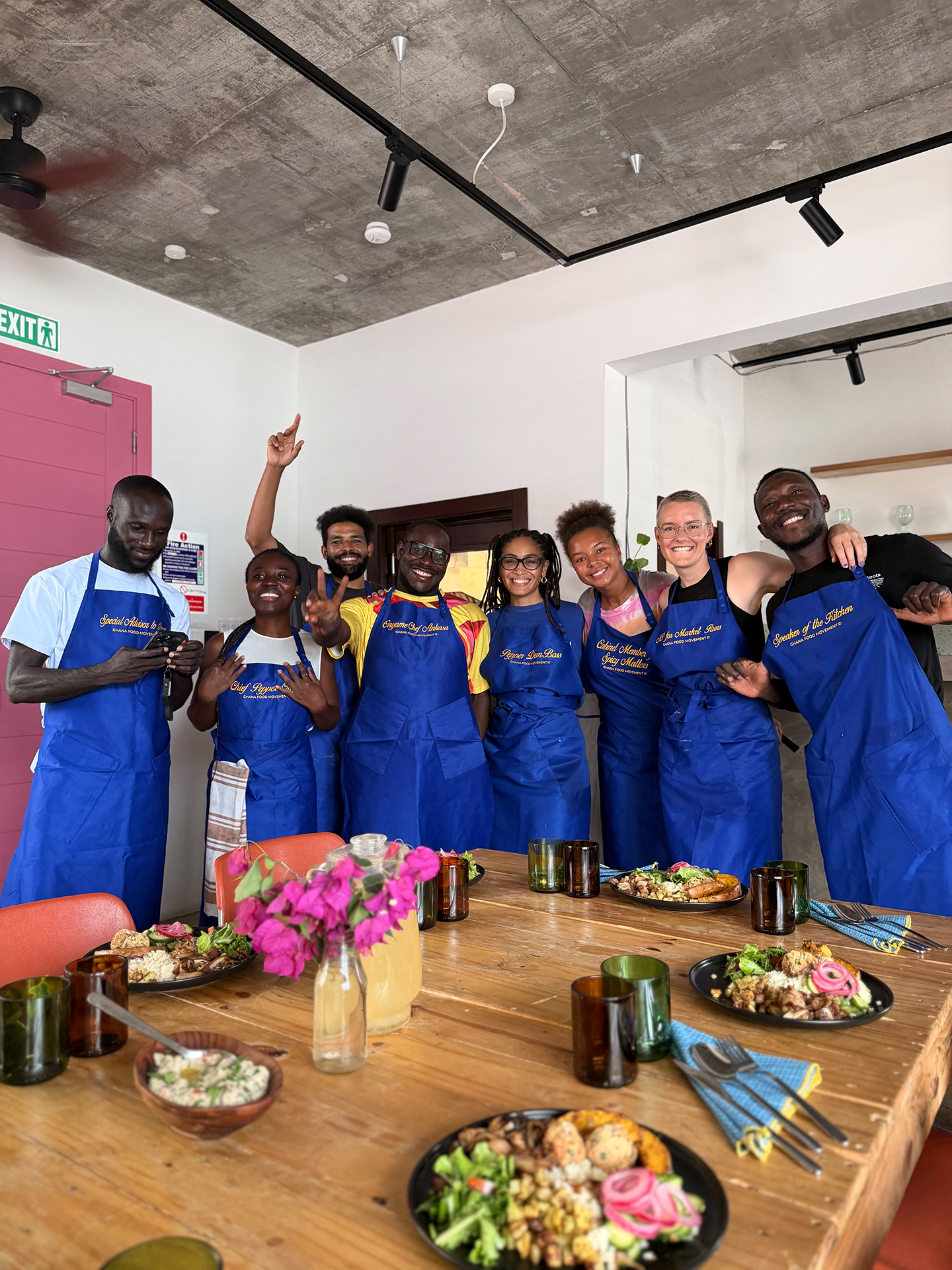
GFM believes that food is culture, food is power, and food is community. By using The Kitchen as a home for connection, education, and experimentation, we are working toward a future where African food systems are resilient, respected, and led from within.
Ghana Food Movement (GFM) is a community-driven platform reshaping how food is grown, valued, and experienced in Ghana and across Africa. We work at the intersection of culture, education, and local economies—bringing people together around food as both heritage and future.
At the heart of our work is The Kitchen by Ghana Food Movement, our food education and community space in Accra. The Kitchen is where ideas are tested, people meet, skills are shared, and local food culture comes alive. It serves as a living lab for collaboration, learning, and celebration across the food value chain.
Our work is anchored in three core pillars:
Community Building
We create spaces—especially through The Kitchen—where farmers, chefs, food entrepreneurs, creatives, and institutions can meet, exchange, and collaborate. Through memberships, markets, gatherings, and curated events such as Dine & Dance, Movers Connect, Fufu & Friends or Kebab Night we break silos and build trust, fostering partnerships that strengthen food sovereignty, system resilience, and shared prosperity.
Food Education
From youth training programs and chef-led masterclasses to cooking classes, market tours, and knowledge-gathering with food custodians, GFM invests in skills, stories, and systems thinking. Using The Kitchen as our base, we equip the next generation of food actors with practical tools, cultural grounding, and confidence—so they can become active agents of change within the food system.
Local Food Promotion
Through advocacy campaigns, menus, food experiences, and public programming, we champion indigenous ingredients, local brands, and a new West African diet that is nutritious, sustainable, and proudly rooted in place. Our food experiences—ranging from curated dinners to hands-on tastings—translate values into lived moments, helping shift mindsets and purchasing power toward local food.
DANIEL DZONU
CLARKE
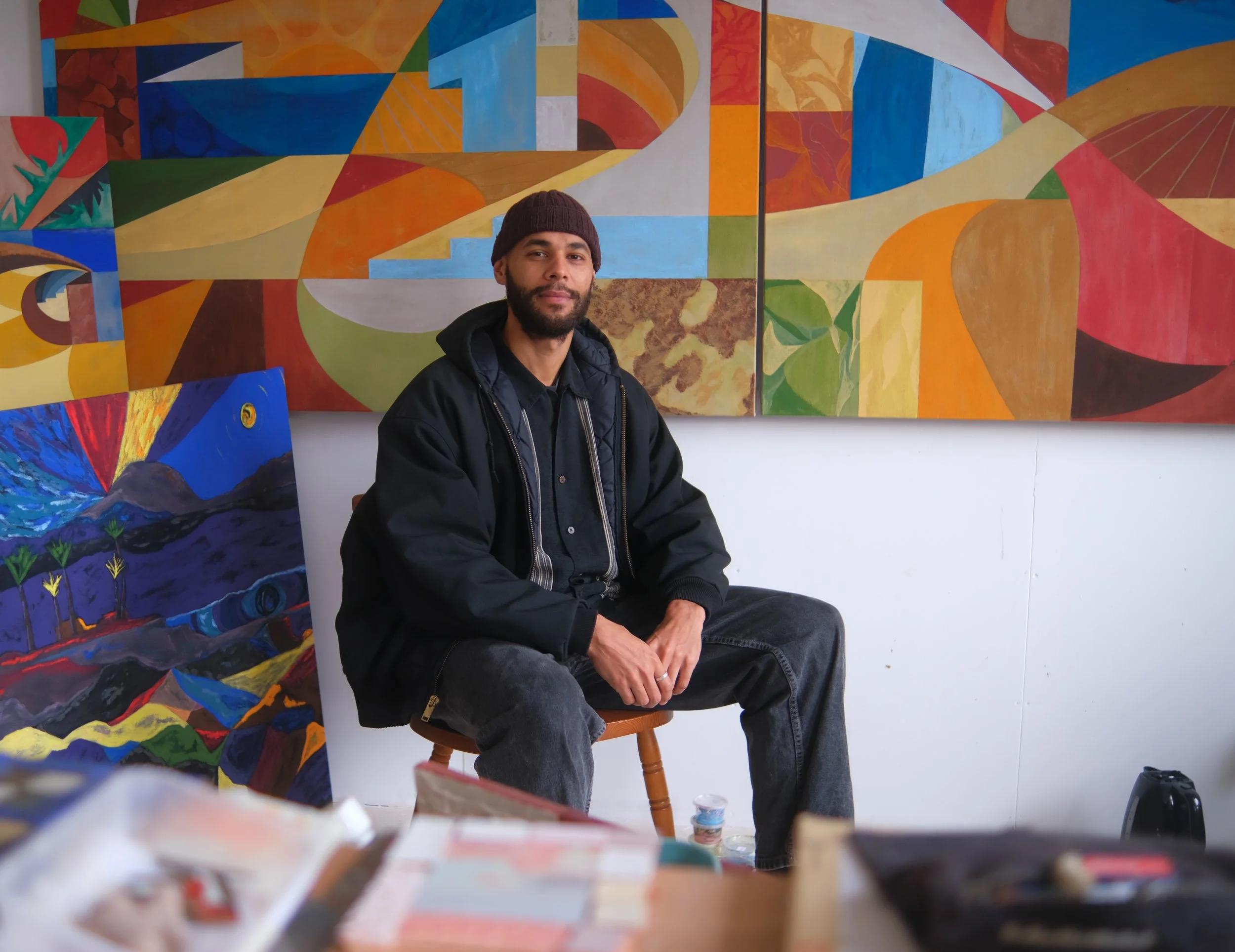
Photo Credit: Efosa Uwubamwen
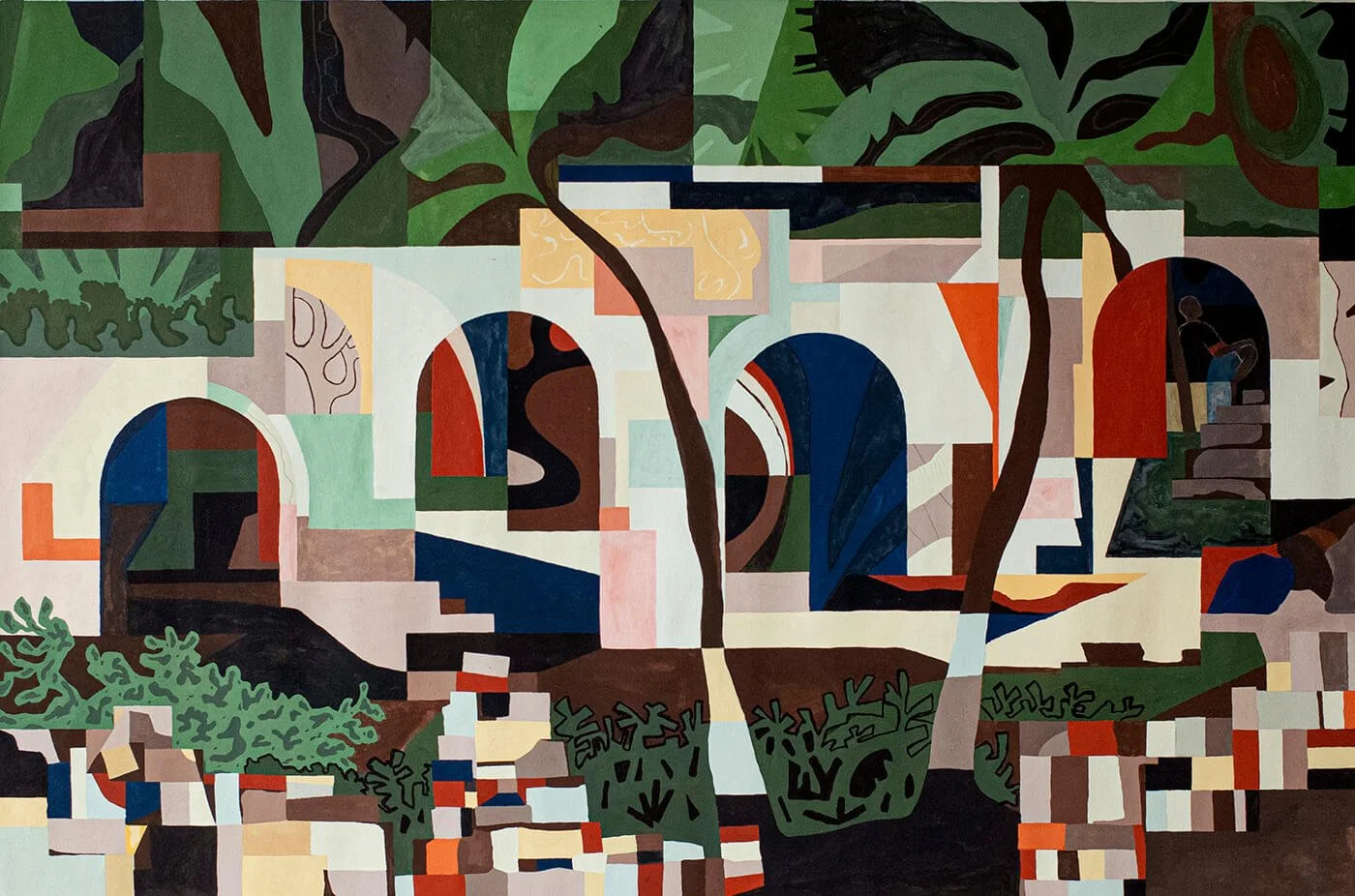
Daniel Dzonu-Clarke is a British-Ghanaian artist based in London whose work explores the meeting point between the urban and the natural, transforming architectural and everyday spaces into abstract, dreamlike landscapes. Working across paper, canvas, textiles, and ceramics, Daniel combines fragments of the man-made environment with organic gestures, capturing the energy of lived experience through layered compositions informed by his deep connection to London’s textures and forms.

…I was invited to share a letter introducing myself, so here it is, but I thought I'd keep it brief as my preferred method of communication is through my artwork, which you can see below. These artworks share memories and sentimental moments from my time spent in Ghana.
I have mixed heritage, British and Ghanaian, and I grew up in London. London's always been my home and the place I felt most connected too, however it always felt like there was somewhere else, somewhere familiar that I hadn't been. I'd find glimpses of it in other places, through the people, architecture, colours and nature but it was only when I visited Ghana for the first time, that I found that true familiarity. All of the places I'd been imagining in my drawings started to make sense. I'd found an endless source of inspiration, from the beaches, to the markets, the architecture and so much more, I was filled with so much inspiration which continues to fuel my creative practice to this day. Upon returning to London after my first trip, my mind was still in Ghana and I found myself reflecting on these memories through my paintings.
“Hey, my name is Daniel Dzonu-Clarke, I'm really happy to be joining you
as a workshop leader on the retreat…”
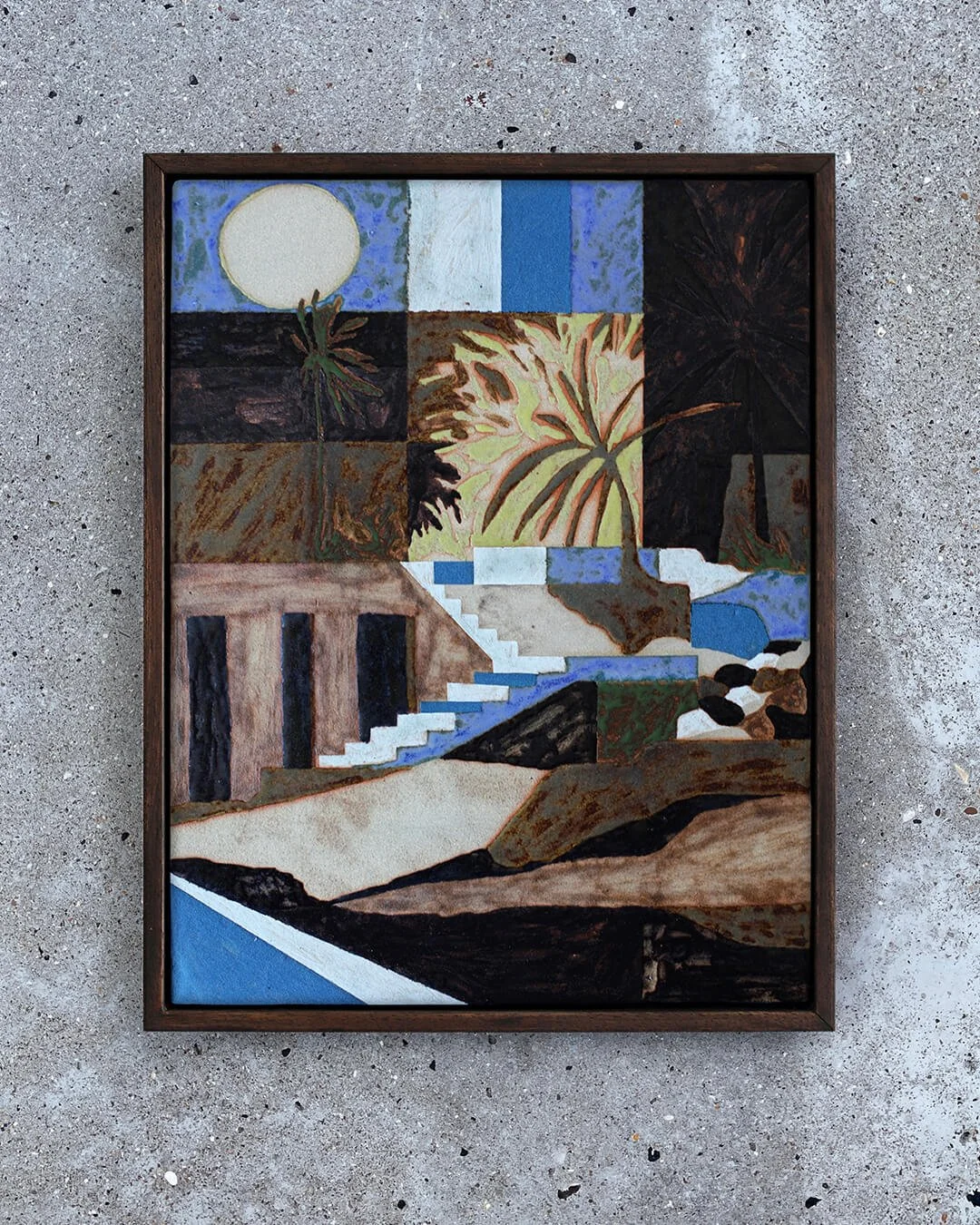
Around this time I had begun exploring working with clay, creating ceramic tiles which would serve as canvases for my paintings, alongside vases and bowls. This coincided perfectly with my first trip, where I visited Vume (Volta Region) which is a pottery village with streets lined with huge vases and pots created by the local potters. This area is very close to where my family are from, and seeing the traditional pottery from the region and their hand built, wood-fired kilns heightened my passion for working with clay and confirmed that there was still so much more to explore.
Prior to seeing the Vume potters and how they work with their local clay; I had been working with clays from pottery suppliers based in the South West of the UK. I didn't know much about the clay I was using, where it came from, how it was excavated and whether or not it was sustainably sourced. So I attended workshops based on sustainability in pottery and realised that so much clay dug up in building sites eventually ends up in landfill. Luckily there are several initiatives in London which allow potters to collect clay from building sites before it goes to Landfill, allowing us to source local clay in a sustainable way. This is something I've been doing more recently, alongside sourcing clay along the South coast, close to my mothers home. This has been a huge turning point in my work as it's pushed me to be more sustainable through my practice, whilst getting a better understanding of the materials I'm using and feeling more connected to nature.
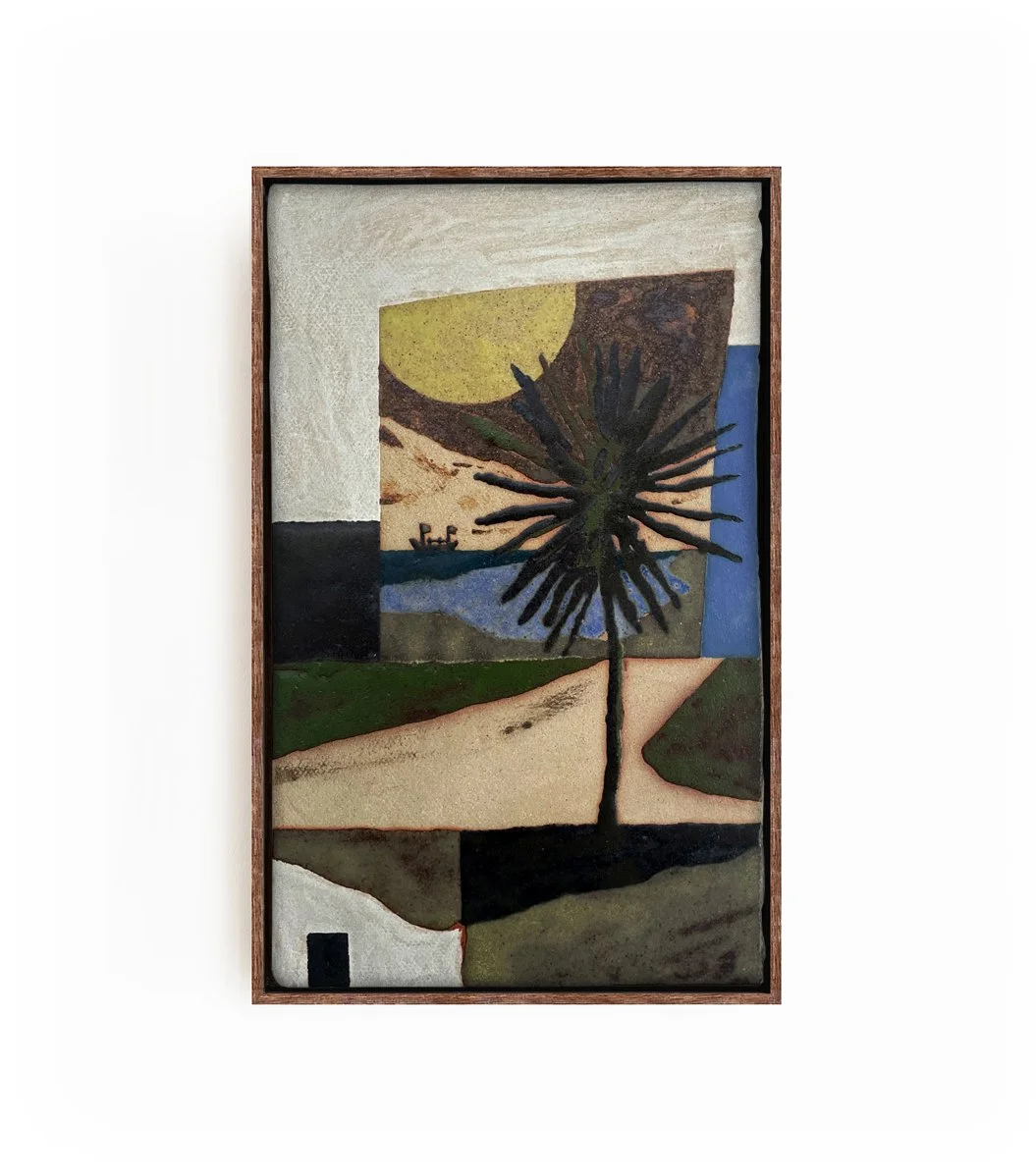
This trip to Ghana in 2026 will be my first time visiting Ghana with the intention of sourcing clay and working with potters from the area to create some new works and learn from their techniques. This is a journey I'm excited to invite our guests on too, as this will be a learning curve for all of us. For me an introduction to the local clay and how it's used and for those who are new to pottery, a chance to get their hands into the clay and connect with the ground beneath us. Living in concrete, man made environments can sometimes disconnect us from the natural world and that's something I love about pottery, is that it reconnects us and allows us to feel the earth we once knew so well.
I look forward to seeing you all in Ghana.
With love,
Daniel
LENI
CHARLES
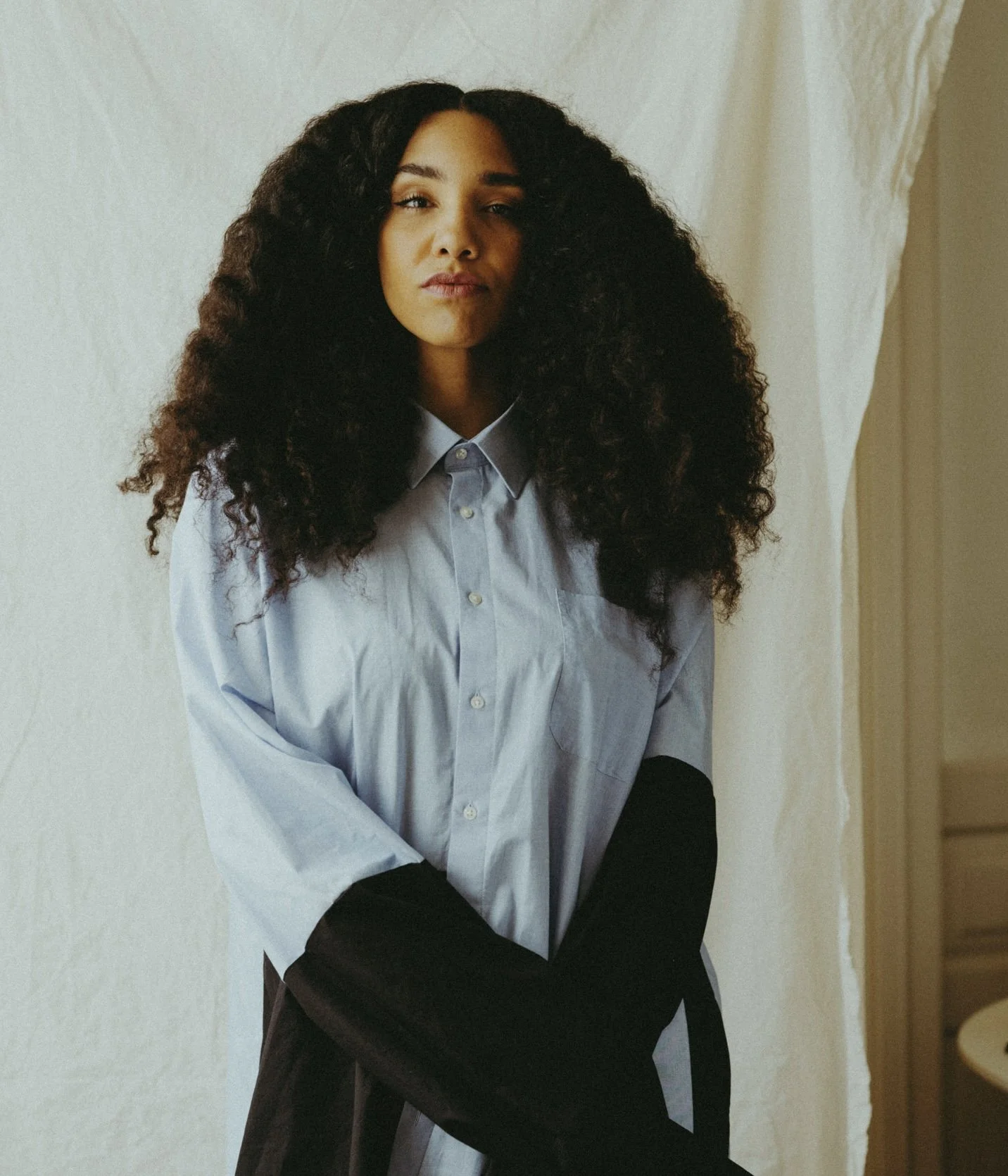
Leni Charles is the founder of Kids of the Diaspora, an awareness brand dedicated to inner work and collective experience. She works as a Creative Director and Art Director in visual communication and holds a Bachelor of Arts and a Master of Social Science in Communication. Currently training as an Art and Creative Expression Therapist, she is also a certified spiritual healing practitioner specializing in the traditional practice of laying on of hands, integrating inner exploration and awareness into her work.
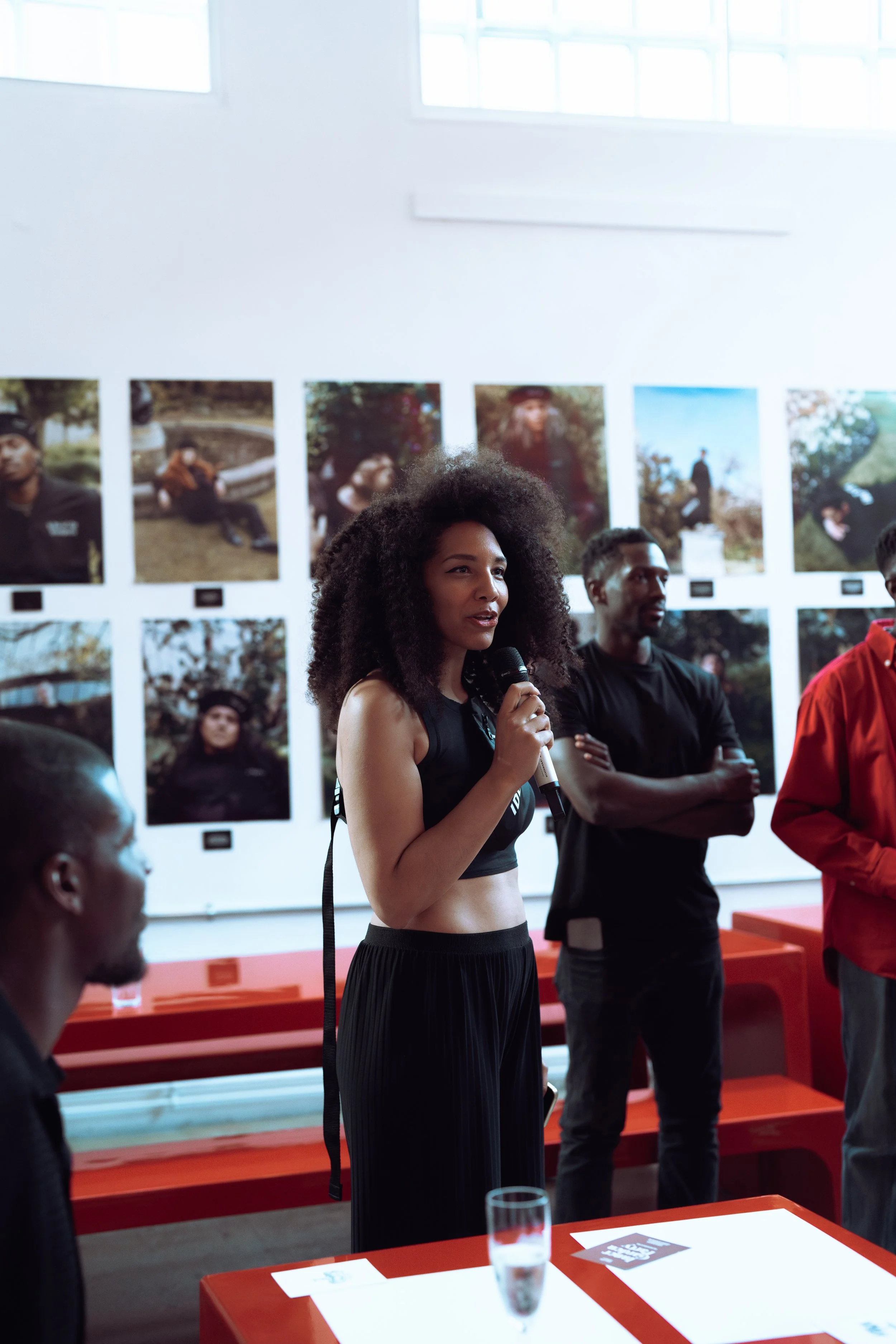
Dear Retreat Guests,
This year, Kids of the Diaspora turns ten! What began as a poetic fashion movement has grown into an awareness brand with the intention to support people in getting closer to their true selves through inner work and shared experiences. To honor this journey, my sister Cherrelle Olukemi and I felt called to create something special. This retreat is our way of celebrating the work that has been done, the community that has formed, and the path that continues to unfold. Our Kids of the Diaspora network in Ghana is aligned with our plans, and therefore, we will spend 5 days in Kokrobite, Accra and Ogbojo.
I am deeply excited to welcome you!
As the founder of Kids of the Diaspora, and as a creative and art director in visual communication, my work has always explored the interconnectedness of all things. My turn toward spiritual healing is not a trend or a sudden shift, but a natural continuation of what has always guided me: a deep attraction to beauty, especially where aesthetics and functionality meet.
Hints like the Golden Ratio appear everywhere, in the curves of a shell, the slow unfurling of a fern, even in the way we instinctively fold ourselves into the fetal position before sleep. For me, it is more than sacred geometry. It is a tangible connection to the world around me, a quiet reminder that everything is linked, patterned, and held within the same invisible harmony.
I created Kids of the Diaspora as a space in between. I have always been drawn to these charged fields that can pull you in completely. It takes immense energy to sustain such a field. For me, this work is not simply a project but a vocation, a life’s commitment I carry with care.
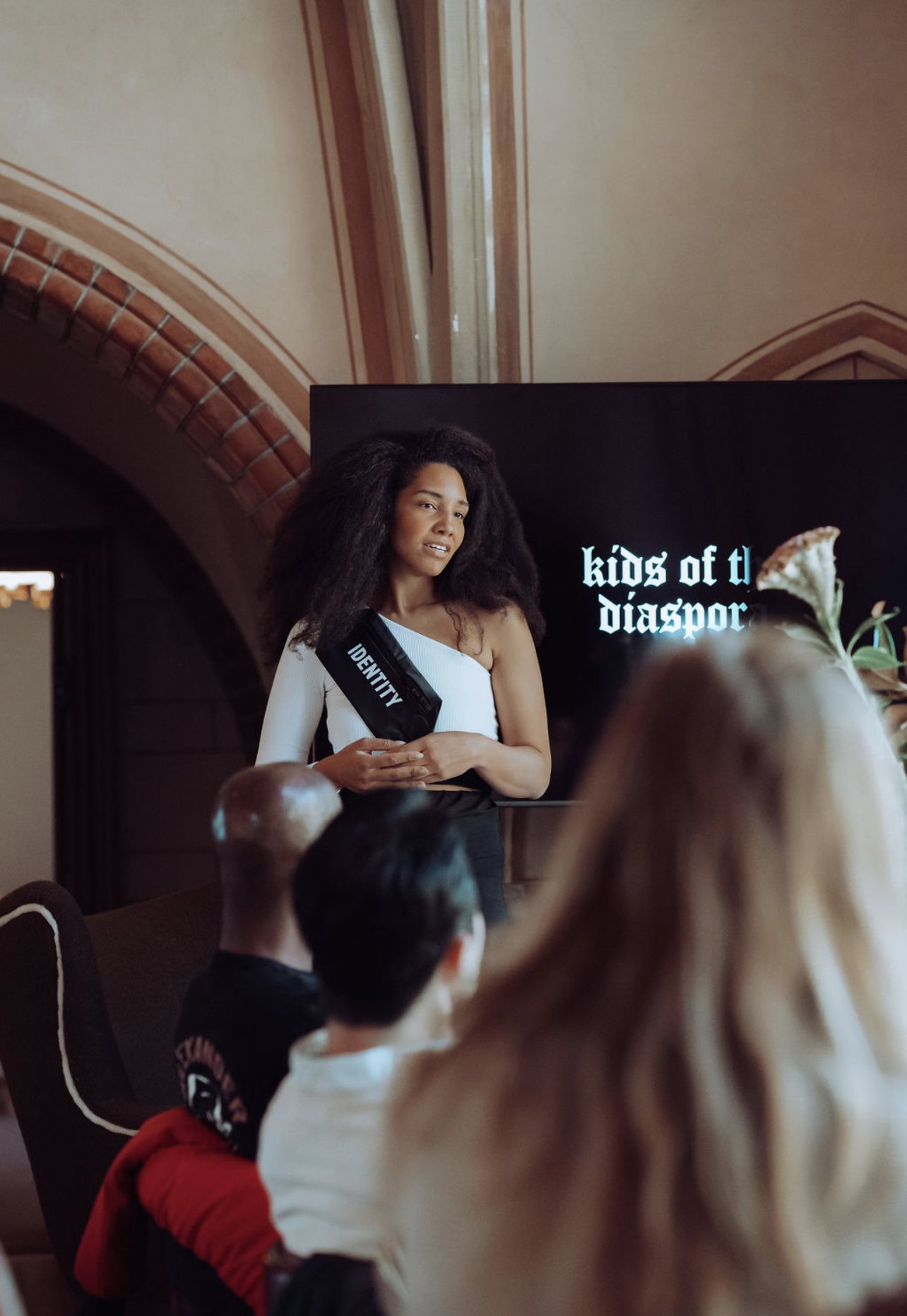
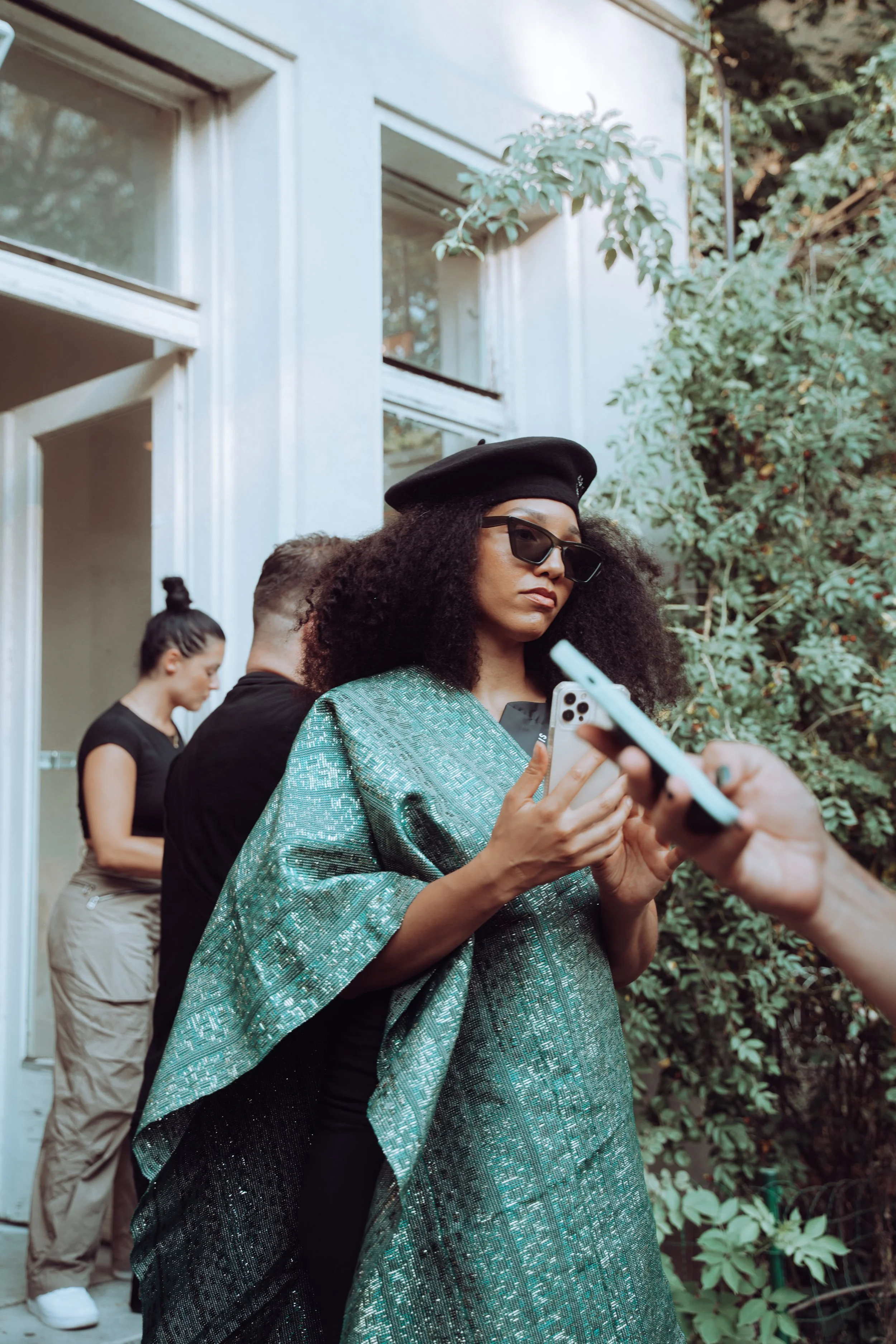
In my practice, I create open and aesthetic spaces where people can access inner and shared resources, transforming vulnerability into strength and challenges into meaningful growth. I design exhibitions and develop identities, and I am continually inspired by the healing power of flowers, which have supported me deeply in regulating my own nervous system. Art, music, dream work, and embodied awareness are threads I weave together to shape immersive and grounded experiences.
I have Austrian and Nigerian roots and have lived within both cultures in different ways.
My Yoruba lineage feels especially present in my dream world. When I work with my unconscious, images and subtle memories rise to the surface, reconnecting me to a heritage that continues to shape how I see and create.
I cannot wait to open and hold space with you, and I am looking forward to meeting you exactly where you are. The more we bring our vulnerable parts to the surface, the more we will be able to grow collectively.
With love,
Leni